Skeleton: A Sharp, Stylish Embroidery Design Worth Your Thread
As a designer who’s stitched hundreds of custom pieces—from boutique baby onesies to Etsy best-selling tote bags—I opened Skeleton expecting another generic holiday or novelty graphic. What I found was something more intentional: a clean, confident vector illustration with real embroidery potential. It’s not just “spooky” or “edgy”—it’s balanced, scalable, and built for translation from screen to stitch.
First Impressions: Bold, Not Busy
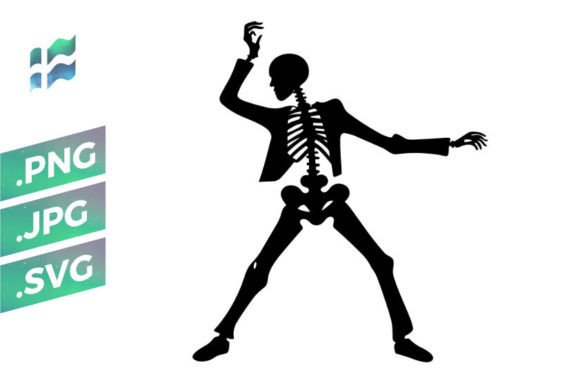
The Skeleton design lands with quiet authority. Its posture is upright but relaxed—no exaggerated grimace or cartoonish exaggeration. The lines are smooth, the proportions anatomically grounded (but stylized enough to feel artistic, not clinical), and the negative space around bones breathes well. That matters. In embroidery, cluttered silhouettes turn muddy; tight curves collapse into dense satin stitch piles. Skeleton avoids that trap. Its open ribcage, spaced-out fingers, and clear limb separation give the machine room to breathe—especially important when you’re stitching on cotton twill for an apron or midweight jersey for a unisex sweatshirt.
Real-World Use: Where This Design Actually Shines
Last week, I prepped a small-batch run of embroidered canvas tote bags for a local yoga studio’s “Mindful Bones” wellness pop-up. We needed something recognizable at 4 inches wide—but still legible at 2.5 inches on a patch sewn to the bag’s front pocket. Skeleton scaled down beautifully. On the full-size tote, it read as elegant and slightly playful; on the tiny patch, the key structural elements—the skull, collarbone, and pelvis—remained distinct without needing simplification.
It also worked surprisingly well on baby items. I tested it on a soft organic cotton onesie using light tear-away stabilizer and 40-weight thread. The clean outlines held up—even the slender femur line stayed crisp. No skipped stitches, no puckering. That tells me the vector paths are well-constructed: no overlapping nodes, no micro-gaps that confuse embroidery software during digitizing.
For craft business owners, Skeleton fits naturally into several high-margin categories: holiday embroidery (think Halloween tea towels or “Boo Crew” pillow covers), personalized gifts (“Alex’s First Skeleton Dance Party” on a toddler hoodie), and boutique branding (a subtle chest logo on black linen aprons for a pottery studio). Its neutral-yet-characterful vibe bridges goth, science, dance, and even anatomy-themed education—making it versatile for Etsy sellers juggling multiple niches.
Where to Proceed With Care
This isn’t a one-size-fits-all embroidery file—and that’s honest design judgment, not a flaw. Skeleton has graceful curves and fine limb definition, so it demands attention in certain contexts:
- Small hoop sizes (under 3.5”): The hand detail and rib spacing compress quickly. If you’re stitching on a curved cap front, consider simplifying finger count or widening joint gaps before digitizing.
- Textured or stretchy fabrics: Linen nap or lightweight knits need extra stabilizer support—especially under the clavicle and pelvis arcs where tension shifts. Test on scrap first.
- Dark fabric + light thread: The design’s openness works *for* contrast—but avoid ultra-thin white thread on black terry cloth. Opt for matte poly or rayon for cleaner fill stitch coverage.
- Frequent-wash items: While the layout supports durability, avoid placing the full design across high-flex zones like elbow seams or knee patches unless you reinforce with cutaway stabilizer.
Design Assets That Support Real Craft Business Needs
The included SVG, PNG, and high-res JPG files (4500 x 5400) make Skeleton genuinely flexible—not just for embroidery, but for layered product development. As a Graphics asset, it’s easy to recolor for sublimation mugs or printable mockups. As a Crafts resource, the SVG lets you tweak proportions before digitizing—say, elongating the spine for a tall coffee sleeve or narrowing the skull for a minimalist pin badge.
I used the SVG to create two versions: one optimized for machine embroidery (clean paths, minimal anchor points), and another for applique design (with seam allowance baked in). Both exported cleanly into my embroidery software. That level of adaptability saves hours—especially if you sell digital embroidery files or offer custom digitizing services.
Practical Designer Notes You’ll Actually Use
Before stitching your first Skeleton project, do these five things:
- Test on scrap fabric—same weight and weave as your final piece. Watch how the pelvis curve settles and whether the skull outline holds crispness.
- Check thread color contrast in natural light *and* under store lighting. What reads bold on screen may fade on oat-colored linen.
- Review stitch density in your digitized version. Fill stitch areas (like the skull cavity) shouldn’t exceed 18–22% density on lightweight fabric.
- Confirm hoop size compatibility. The original vector fits comfortably in a 5x7 hoop—but verify your digitized version doesn’t push boundaries near the edges.
- Verify licensing terms before selling finished products or reselling the digital embroidery file. The listing says “100 customizable”—but commercial use rights must be explicit for Etsy sellers and craft businesses.
Final Thought: It’s Not Just a Graphic—It’s a Conversation Starter
Customers don’t buy skeletons—they buy meaning. A dancer’s pose implies movement. An anatomical nod suggests curiosity. A clean, modern line speaks to craftsmanship. When you embroider Skeleton onto a handmade kitchen towel or a personalized gift box, you’re not adding decoration—you’re offering recognition. Recognition of individuality. Of wit. Of thoughtful making.
That’s why this design earns its place in a serious craft business toolkit. It’s not filler. It’s functional art—designed to translate, endure, and resonate. Whether you’re stitching for joy, clients, or commerce, Skeleton gives you room to execute with confidence—and customers something worth holding onto.