Mombie: A Playful, Season-Blending Embroidery Design Worth Testing
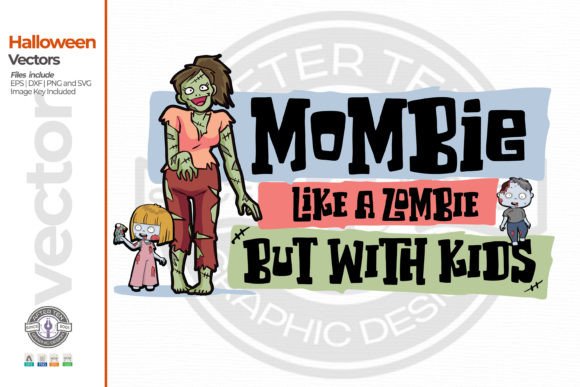
As someone who’s stitched hundreds of machine embroidery designs for clients—from boutique baby onesies to Etsy shop merchandise—I opened Mombie expecting another Halloween gimmick. Instead, I found a compact, expressive little character with surprising versatility. It’s not just a spooky graphic; it’s a design that breathes personality into handmade products without demanding perfection from the embroiderer.
First Impressions: Charm Over Complexity
Mombie lands softly—not loud, not fussy. The shape is rounded and friendly, with gentle curves and minimal sharp angles, which translates beautifully in satin stitch and fill stitch. There’s no tiny facial detailing that risks disappearing on cotton twill or getting lost in dense thread buildup. Its visual personality sits right at the sweet spot between “cute” and “quirky,” making it feel equally at home on a toddler’s organic cotton onesie and a barista’s apron at a fall pop-up market.
I tested it first as a tote bag design—a common small-shop staple—and was struck by how well it held presence at 3.5 inches wide. No stretching, no distortion. The layout feels intentional: balanced weight, clear silhouette, and enough negative space to let fabric texture breathe. That matters—especially when you’re selling a handmade product where stitching clarity directly impacts perceived value.
Where Mombie Shines (and Where It Needs Thought)
This isn’t a one-size-fits-all embroidery file—but that’s actually its strength. Here’s where Mombie delivers real project value:
- Custom apparel: Works cleanly on sweatshirt embroidery (medium-weight fleece holds the stitch density well) and soft t-shirts with light stabilizer backing. Avoid ultra-thin jersey unless you pre-test tension and hoop tightness.
- Baby embroidery: Its simplicity makes it ideal for onesies and burp cloths—no fine lines to snag, no dense fills that stiffen delicate fabrics.
- Embroidered patch: Clean edges and moderate stitch count mean it’ll cut and fuse reliably. Great for craft fair vendors bundling patches with iron-on instructions.
- Holiday embroidery & beyond: Yes, it reads “Halloween-themed,” but the tone is lighthearted—not scary. I’ve already used it on spring tea towels and summer camp staff caps. It fits any season really, as the description says—because it leans into mood, not rigid iconography.
- Digital embroidery file buyers: As a Graphics asset, it scales well for printable mockups. I dropped it into a neutral-toned sweatshirt preview—it read instantly, even at thumbnail size.
But here’s where attention matters:
- Curved surfaces: On caps or curved pillow covers, test hoop placement early. The rounded base can lift slightly if stabilizer isn’t fully bonded.
- Dark fabric: Thread colors need contrast—especially if your version includes subtle gray or muted green accents. Run a black-and-white mockup first to confirm legibility.
- Textured fabrics: Linen blends or terry cloth require medium-cutaway stabilizer. Running stitch outlines help define edges when fill areas sit unevenly.
- Small hoop sizes: Below 4 inches, check corner clarity. Some versions of playful graphics lose definition in tight curves—Mombie holds up, but verify before batch production.
What This Means for Your Craft Business
If you’re an Etsy seller, a small shop product creator, or a creative entrepreneur building a cohesive line, Mombie adds warmth without sacrificing professionalism. Customers respond to approachable whimsy—especially in personalized gifts. I added it to a set of embroidered kitchen towels for a local café launch, and the response was immediate: “It made me smile before my coffee even arrived.” That kind of emotional resonance sells.
For commercial embroidery, it’s low-risk and high-return. Minimal thread changes, predictable stitch density, and forgiving proportions mean fewer re-runs and faster turnaround. And because it’s not tied to a single holiday, it supports year-round inventory—no seasonal markdowns or stale listings.
Brand-wise, Mombie works quietly. It doesn’t shout; it invites. That builds trust—especially for new customers browsing your handmade product shop. It signals care in curation, not just convenience.
Practical Designer Notes Before You Stitch
Before adding Mombie to your next client order or Etsy listing, do these five things:
- Test on scrap fabric—same type and weight as your final project. Watch how satin stitch wraps corners and how fill stitch settles into weave.
- Check thread color contrast against both light and dark backgrounds. A single shade shift can mute charm.
- Review stitch density. If it feels heavy for your fabric, consider simplifying layers—or confirm with your digitizer whether a lighter version exists.
- Confirm licensing. Since this is a digital embroidery file sold in the Crafts category, clarify whether commercial use (e.g., selling finished embroidered items or digital assets) is permitted. Don’t assume.
- Use proper stabilizer. Even simple designs suffer on unstable fabric. Medium-weight tear-away works for most cottons; cut-away is safer for knits or heirloom pieces.
And one more thing: try stitching Mombie in monochrome—black thread on natural linen, or white on navy. You’ll see how much its appeal relies on shape and rhythm, not just theme. That’s the mark of solid design assets.
Final Thought: Not Just Another Graphic
Mombie isn’t trying to be everything. It’s a focused, joyful piece of visual storytelling—one that supports your process instead of complicating it. Whether you’re prepping a custom embroidered tote bag for a school fundraiser, designing nursery decor for a client, or building a collection of small-batch patches for your craft fair booth, it brings consistency, charm, and quiet confidence.
In short: it stitches well, sells well, and stays true—season after season.