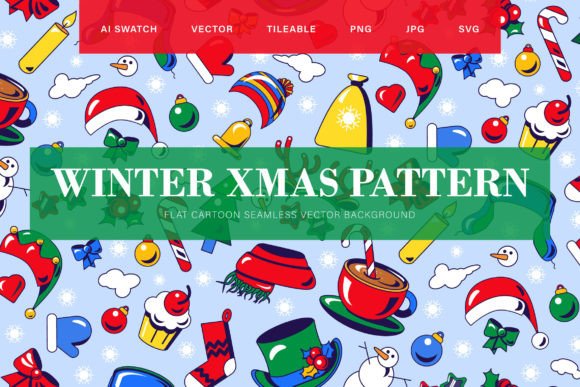
Winter Christmas Seamless Pattern
A Designer’s First Stitch: What This Pattern *Actually* Feels Like in Real Projects
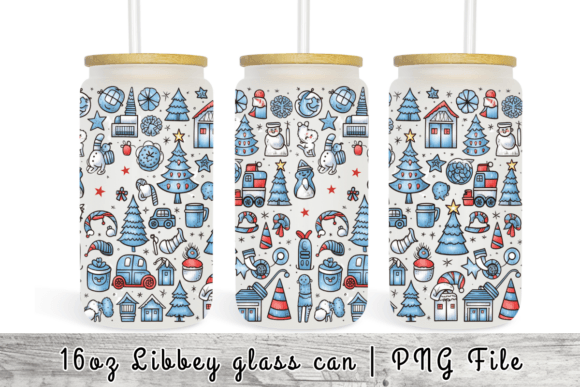
Let me be honest—I opened Winter Christmas Seamless Pattern expecting cheerful clutter. Instead, I got rhythm. The cartoon Xmas symbols—bells, bows, tiny mittens, stylized trees—are spaced with quiet intention. Not jammed, not floating aimlessly, but arranged so the eye glides across the repeat like snow falling sideways. It’s flat outline vector work, yes, but the weight of each stroke feels calibrated for stitch—not just screen. That matters. When you’re prepping a custom embroidered tote bag for a local boutique or stitching holiday tea towels for your Etsy shop, that subtle spacing and consistent line thickness mean fewer thread breaks, cleaner satin stitch transitions, and zero “what even is that shape?” moments mid-hooping.
Where It Shines (and Where It Asks for Thought)
This pattern breathes best on medium-weight, stable fabrics: cotton twill for aprons, brushed poly-cotton for sweatshirts, linen-blend pillow covers, or sturdy canvas for patches. I tested it on a baby onesie last week—tiny size, soft knit—and used lightweight tear-away stabilizer underneath plus a light topping. The outlines held crisp, the bows read clearly at 2.5 inches wide, and parents loved the playful yet refined vibe. No mushy fill stitches, no lost details. That’s rare in seamless holiday graphics meant for embroidery.
It also works beautifully as a background motif behind a central monogram or phrase—say, “Joy” or “2025” stitched boldly over the repeating pattern on a kitchen towel. Because the elements are flat-outline and moderately scaled, they recede just enough to support, not compete. For craft business owners building cohesive holiday collections, that versatility is gold: one Winter Christmas Seamless Pattern file can anchor your entire seasonal line—tote bags, caps, tea towels—without visual fatigue.
Use With Care On…
- Stretchy or thin fabrics (like jersey or voile): The outlines rely on clean edge definition. Without proper stabilizer and tension control, those delicate bow loops can distort or pucker.
- Curved surfaces (caps, beanies): The repeat works best when applied to flatter panels—think front chest or back yoke—not the crown. Test placement on scrap first.
- Dark or textured backgrounds: Those red, green, and yellow bow signs need contrast. On charcoal fleece or bouclé knit, test thread colors in natural light—not just your screen. A warm cream or antique gold often reads clearer than stark white.
- Small hoops under 4x4 inches: You’ll need to crop thoughtfully. The charm is in the rhythm of the repeat—not isolated symbols—so avoid cutting too tight around single elements unless you’re creating an applique design or patch layout.
Why Your Customers Will Notice the Difference
Here’s what happens when someone holds your finished product: they don’t see “a Christmas pattern.” They feel warmth, nostalgia, and intention. The cartoon style is friendly—not cutesy, not ironic. It lands equally well on a handmade baby blanket for a newborn or a boutique sweatshirt for a 30-year-old teacher who loves vintage holiday cards. That emotional resonance boosts perceived value. A customer paying $48 for an embroidered pillow cover isn’t just buying fabric—they’re buying the feeling of a thoughtful, unhurried holiday. Winter Christmas Seamless Pattern supports that narrative because it looks hand-drawn, not algorithm-generated.
For Etsy sellers and small shop owners, that translates directly to trust. Clear, balanced, professional-looking embroidery tells buyers you understand craft—not just commerce. It signals consistency across your listings, strengthens your brand voice (especially if you pair it with matching printable mockups), and makes your photos pop without filters. No forced “festive energy”—just quiet, confident holiday spirit.
Practical Notes Every Embroidery Designer Should Run Through
- Always stitch a test on scrap fabric—same type, same stabilizer, same thread brands you’ll use commercially. Watch how the bow curves behave on knit vs. woven.
- Review stitch density. Flat outlines usually run lighter than dense fill-stitch patterns, but check for any unintentional overlapping or nesting in the vector-to-embroidery conversion.
- Confirm licensing before listing finished products or digital embroidery files for resale. Since this is categorized as Patterns and Graphics, clarify whether commercial use includes physical goods, digital assets, or both.
- Try black-and-white mockups. If the design holds clarity without color cues, your stitch execution will be more forgiving across fabric tones.
- Inspect corners and joins. Seamless doesn’t mean invisible—look for any tiny gaps or overlaps where the pattern repeats. Those become visible in satin stitch or running stitch borders.
- Match stabilizer to end use. For baby embroidery or items that will be washed often, go for wash-away + tear-away combo. For structured tote bags, cut-away adds longevity.
Final Thought: A Pattern That Works *With* You
Winter Christmas Seamless Pattern isn’t flashy. It won’t scream from a crowded craft fair table—but it will earn repeat orders, thoughtful Instagram tags, and quiet compliments like “Where did you get this made? It feels so *yours*.” That’s the mark of strong design assets: they disappear into the object, elevating it without demanding attention. Whether you’re stitching personalized gifts, building a holiday collection for your handmade product line, or sourcing reliable embroidery files for client apparel projects, this pattern earns its place in your workflow—not as decoration, but as infrastructure. Calm, cohesive, and quietly joyful. Exactly what the season needs.