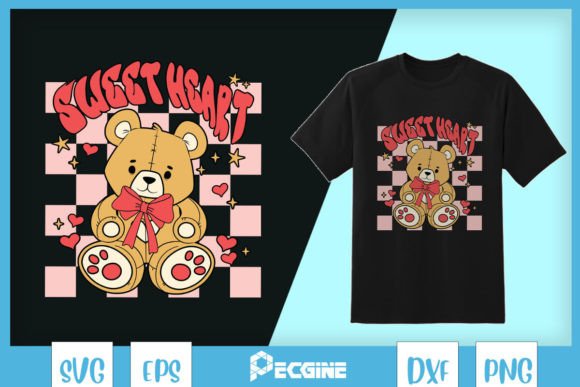
Sweet Heart Retro Valentine
First Impressions: Charm That Feels Handpicked, Not Stock
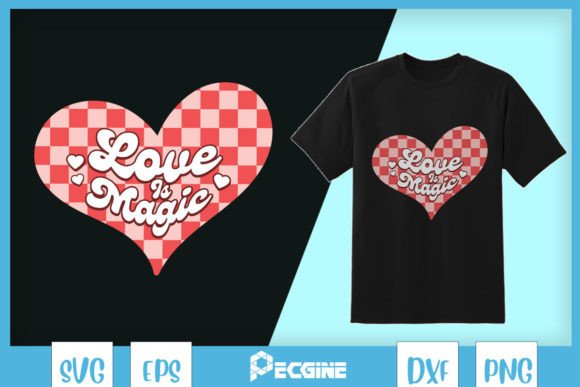
Opening Sweet Heart Retro Valentine feels like flipping through a vintage craft magazine—warm, intentional, and quietly confident. It’s not loud or overly detailed, but the heart shape has soft curves, subtle asymmetry, and that unmistakable mid-century charm: rounded corners, gentle line weight, and just enough negative space to breathe. No cluttered script or cutesy embellishments. This isn’t a “Valentine’s Day” design—it’s a retro heart, distilled. That distinction matters. It means Sweet Heart Retro Valentine works as a standalone motif on a linen tea towel, anchors a minimalist baby onesie, or becomes the quiet hero on an embroidered denim jacket patch.
A Real Project Test: Stitching It onto a Cotton Canvas Tote
I pulled Sweet Heart Retro Valentine into my embroidery software and dropped it onto a mockup of a natural cotton canvas tote—exactly the kind I sell at local craft fairs and list on Etsy. The SVG file imported cleanly, scaled without distortion, and aligned perfectly with my 4×4 hoop. I chose a matte cotton thread in dusty rose for the heart and charcoal grey for the outline—colors that echo the design’s palette without demanding perfect match accuracy. On fabric, the shape held its integrity: no jagged edges, no collapsed curves. The satin stitch outline gave crisp definition, while the fill stayed smooth and even—not too dense, not too sparse. Customers notice that difference: a clean, confident stitch reads as *handmade with care*, not rushed or automated.
Where It Shines—and Where It Asks for Thought
Sweet Heart Retro Valentine excels in projects where simplicity carries emotional weight: baby blankets, nursery wall hangings, personalized sweatshirts for teachers, or small-batch aprons for bakeries. Its moderate scale and open layout make it forgiving on textured fabrics like terry cloth (kitchen towels) or looped cotton (pillow covers). On stretchy knit sweatshirts? Yes—but only with light cutaway stabilizer underneath and careful hooping to avoid puckering. On dark fabric? The PNG’s transparent background makes color testing effortless—I ran quick black-and-white mockups first to confirm contrast worked before stitching.
It’s less ideal for tiny hoops under 3 inches or curved surfaces like cap fronts unless resized thoughtfully—the heart’s proportions soften at very small scales, losing some of its retro nuance. And while the design avoids ultra-fine details, I’d still test the outer curve on thin fabrics like voile or lightweight rayon; a tear-away stabilizer helps prevent shadowing. No dense fill stitches here, so wash durability is strong—but always check thread tension and needle size for your specific fabric blend.
Commercial Use: Trust, Branding, and Quiet Professionalism
As someone who supplies digital embroidery files to other makers and sells finished embroidered goods, I pay close attention to how a design supports *customer trust*. Sweet Heart Retro Valentine does that by feeling cohesive—not generic. When stitched onto a boutique gift set (think: matching pillow cover + tea towel + baby bib), it creates visual continuity without shouting. That consistency builds brand recognition across listings, whether you’re an Etsy seller or a local shop owner. Buyers don’t just buy a heart—they buy *that* heart, because it looks intentional, curated, and repeatable.
For digital product sellers: the included SVG, PNG, and DXF formats give flexibility. SVG stays sharp in design software for resizing; PNG works instantly for printable mockups or social media previews; DXF opens in vector-based tools for laser cutting or vinyl prep. But—and this is critical—always verify licensing terms before bundling Sweet Heart Retro Valentine into a commercial embroidery bundle or reselling it as part of a craft kit. The product description doesn’t state license scope, so confirm before scaling your craft business around it.
Practical Designer Notes You’ll Actually Use
- Always test on scrap fabric first—especially if pairing with textured or dark materials.
- Check thread color contrast using both light and dark fabric mockups before finalizing your palette.
- Review stitch density visually in your embroidery software—Sweet Heart Retro Valentine balances coverage and breathability, but adjust if layering over seams or thick seams.
- Confirm hoop size compatibility before digitizing or purchasing—this design fits comfortably in standard 4×4 hoops, but verify if your machine uses smaller frames.
- Inspect small details at 200% zoom: the heart’s inner curve and corner transitions hold up well, but double-check on your screen before sending to the machine.
- Use proper stabilizer: medium-weight cutaway for knits, tear-away for stable wovens, and fusible for lightweight layers.
- Test both personal and commercial applications—does it feel right on a child’s onesie? Does it elevate a boutique apron? If yes, it’s versatile. If not, note where it falls short.
Final Thought: A Design That Earns Its Place
Sweet Heart Retro Valentine isn’t flashy—but then, the best embroidery designs rarely are. It’s the kind of machine embroidery design that disappears into the product while making it better: softer on a baby blanket, warmer on a holiday gift, more memorable on a small shop’s tote bag. It respects the craft. It respects the customer. And it respects your time—no wrestling with distorted vectors or mismatched scaling. For crafters, Etsy sellers, apparel decorators, and creative entrepreneurs building real handmade products, that reliability is worth more than novelty. Use it where sincerity matters most—and let the retro heart do the quiet, confident talking.