Blue Lupine Flower Stained Graphics for Crafts
First Impressions: A Luminous, Botanical Mood
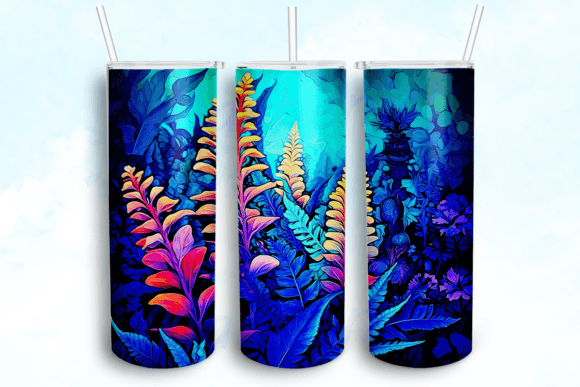
The immediate draw of the Blue Lupine Flower Stained GSublimation asset is its luminous, almost ethereal quality. It doesn’t just look like a flat digital sticker; the "stained" descriptor perfectly captures the interplay of layered, translucent blues. It evokes a mood that sits somewhere between a watercolor study and a stained glass window, which is a rare and valuable sweet spot for commercial design. As a designer, I’m always scouting for elements that instantly elevate a project beyond the generic. This asset promises a handcrafted, artisan feel without requiring me to spend hours painting the individual blooms in Procreate.
For a client project, this immediately opens doors to the botanical, wellness, and boutique craft markets. It screams "handmade," "small batch," and "carefully curated," which is exactly the brand language modern customers crave. Whether it’s a wedding invitation suite or a line of organic teas, the visual mood is one of calm, natural beauty, and sophisticated artistry. The graphics here are not just decorative; they are a narrative tool that sets the tone for an entire small business branding strategy.
Decoding the Design Language and Visual Weight
The composition of the lupine flower is typically vertical, which makes the Tapered PNG file included in the download incredibly practical for specific product dimensions. The Straight PNG offers flexibility for standard layouts, but the tapered one is a specific nod to the crafts market, particularly the popular 20oz skinny tumbler. The blue palette is inherently trustworthy and serene, but the "stained" texture adds a layer of complexity. It’s not a solid, flat vector; it has grain, variance, and depth. This is a crucial distinction for a graphic design asset. While it might not suit a minimal tech logo, it’s perfect for adding organic texture to clean, modern layouts.
When layering this in a design file, I immediately noticed how it interacts with typography. The delicate, ragged edges of the flower contrast beautifully with a crisp, geometric sans-serif. Conversely, pairing it with a flowing script font creates a romantic, bohemian narrative. It’s a versatile anchor for visual hierarchy, capable of pulling the eye across a canvas without overwhelming the text. This makes it a strong candidate for editorial design and packaging design where the balance between image and copy is paramount.
Real Client Scenario: A Handmade Brand’s Product Launch
Let’s ground this in a real-world brief. I recently took on a client, "Wildflower & Sage," a skincare brand entering the market with a new line of wildflower-infused balms. They needed a cohesive visual identity for their product launch, including packaging, social media graphics, and a limited-edition merchandise item. The Blue Lupine Flower Stained GSublimation design became the cornerstone of the project rather than a mere accent.
The tapered PNG was a lifesaver for the 20oz skinny tumbler mockup. The client wanted a premium, reusable tumbler as a free gift with purchase. The tapered template fit the curved mockup perfectly, eliminating the awkward warping that often occurs when stretching a standard rectangle graphic onto a curved surface. The stained glass quality of the lupine flower gave the tumbler a premium, almost jewel-like appearance, aligning perfectly with the brand’s aesthetic. For the balm labels, we used the straight PNG, applying it as a subtle, semi-transparent layer behind the product name, which instantly elevated the packaging from basic to boutique. This is the reality of how a well-chosen digital product can transform a handmade business.
Where the Stained Asset Truly Shines
This asset is a powerhouse for any project that demands a focal point. It excels in large-scale applications where the texture and color variations can be fully appreciated. Think of hero images on a website header, a full-coverage t-shirt design, or a central motif on a poster. It also performs exceptionally well in sublimation design contexts, which is clearly its primary intended use. The high-resolution details translate beautifully onto physical products, maintaining the illusion of textured glass and layered pigments.
For Cricut project enthusiasts, the complexity of the "stained" edges might necessitate a high-quality print-and-cut workflow rather than a basic layered vinyl cut. The intricate details are too delicate for standard vinyl cutting but shine brilliantly when printed on sticker design paper or printable vinyl. It turns a simple crafts project into a high-end decorative element. For print-on-demand sellers, this is an instant bestseller candidate, offering a sophisticated look that stands out in a crowded creative marketplace.
Navigating the Pitfalls and Design Constraints
Seasoned designers know that a beautiful asset can quickly ruin a layout if used incorrectly. With the Blue Lupine Flower Stained GSublimation, caution is needed regarding scale. The intricate "stained" details will completely disappear if scaled down to a one-inch icon or a tiny website favicon. This asset is a queen, not a pawn; it needs space to breathe. It is not suitable for minimalist branding or projects that require a very clean, corporate grid.
Contrast is another critical checkpoint. On a stark white background, the softer blue hues might wash out, losing the magical glow. The asset demands a background that complements its luminosity—think soft cream, deep navy, or even a warm kraft paper tone. It’s also largely unsuitable for corporate, industrial, or tech-heavy brands where rigid, vector-perfect clip art is the standard. The organic, slightly irregular nature of the stained glass aesthetic is its strength, but it’s a strength confined to specific, lifestyle-oriented commercial design niches.
Designer’s Technical Verification Checklist
Before integrating any commercial design asset into a client deliverable, I run through a strict checklist. First, I always test the asset in binary black and white. If the composition collapses into a muddy mess without color, it has limited versatility. Thankfully, the tonal range of the "stained" effect holds up reasonably well due to the distinct light and dark blue segments. Second, I check the resolution. The PNG file provided must be at least 300 DPI to ensure crisp results on a 20oz skinny tumbler. A blurry, pixelated print is the fastest way to frustrate a client.
Third, I test the asset on various mockups—not just the intended tumbler, but on a Canva template, a greeting card, and a box mockup—to see how it behaves outside its native environment. This reveals its true flexibility as a design asset. Crucially, I verify the licensing. The product title mentions "instant downloadable file," but it’s vital to confirm that a commercial license is included for physical end products. Using a personal-use-only graphic on a client’s merchandise is a legal minefield. Always check the small print from the Etsy product page or design bundle store before finalizing packaging designs.
The Verdict: A Worthy Investment for the Right Artisan Project
The Blue Lupine Flower Stained GSublimation is not a universal graphic design asset. It’s a specialist. It’s for the designer who curates a library of mood-driven, textural elements rather than generic clipart. It’s perfect for the Etsy product seller looking to create a cohesive product line of tumblers and sticker designs. It’s a dream for the small business branding specialist focusing on the handmade crafts and wellness sectors.
If you are a content creator, blogger, or publisher working on a botanical editorial piece, this asset provides an instant, polished focal point. It bridges the gap between digital product pragmatism and fine art illustration. While it requires careful handling regarding contrast and scale, the payoff is a unique, luminous visual that stops the scroll and sells the artisanal dream. For the right client project, this is a design asset that pays for itself in the very first branded product mockup. It doesn’t just decorate a product; it actively defines the brand’s visual identity and elevates the overall impression of the marketing visuals.